Our transmission repair service in Bay Area, CA focuses on identifying transmission problems and helping drivers understand their repair options. The right solution depends on the symptoms, diagnostic results, vehicle type, and condition of its components.
Emergency dispatch
5800 Coliseum Way, Oakland
Mon–Sat 9–9 · Sun 9–6
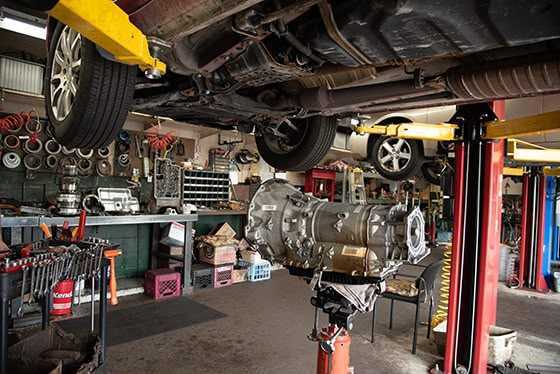
When your car hesitates before moving, shifts roughly, or makes an unfamiliar noise, something may be wrong with the transmission. It can be frustrating, especially when you depend on your vehicle for work, family responsibilities, and everyday travel around the Bay Area, CA.
Here is the thing. A shifting problem does not always mean you need a complete transmission replacement. Low fluid, an electrical fault, a worn component, or an issue elsewhere in the drivetrain may cause similar symptoms.
Guessing can get expensive. A proper inspection helps identify the likely cause before you commit to a repair. It also helps you understand whether the vehicle needs maintenance, a specific component repair, rebuilding, or replacement.
Your transmission transfers engine power to the wheels and helps your vehicle operate at different speeds. Automatic and manual transmissions work differently, but both depend on properly functioning mechanical components and related systems.
Our approach should begin with your reported symptoms and the vehicle’s condition. Depending on the services available at the shop, transmission work may include diagnostic testing, fluid service, leak repairs, component replacement, clutch repairs, or more extensive transmission work.
An automatic transmission changes gears without requiring the driver to operate a clutch pedal. Its operation depends on mechanical components, hydraulic pressure, electronic controls, and the correct transmission fluid.
Possible warning signs include delayed movement after selecting Drive, harsh shifting, slipping, or unexpected changes in engine speed.
These symptoms can have different causes. Diagnostic testing helps determine whether the issue involves fluid condition, control systems, internal components, or another drivetrain concern.
Manual transmissions require the driver to select gears and operate a clutch. Problems may appear as grinding during gear changes, difficulty selecting gears, clutch slipping, or unusual noises.
The clutch, linkage, hydraulic components, and transmission itself can all affect shifting. A careful inspection helps distinguish between these possibilities.
For example, difficulty selecting gears does not automatically mean the transmission needs rebuilding. The clutch system or shift linkage may also require attention.
Transmission fluid performs important functions that may include lubrication, cooling, and hydraulic operation. The exact fluid specification depends on the transmission design.
Low fluid levels can affect operation and may contribute to damage. Leaks can originate from seals, gaskets, connections, or other components.
Avoid adding a random fluid or mixing products without confirming compatibility. The wrong fluid can cause operating problems or damage certain transmissions.
Sometimes inspection reveals internal wear or damage that requires more extensive work. Depending on the vehicle, options may include repairing internal components, rebuilding the existing transmission, or installing a replacement unit.
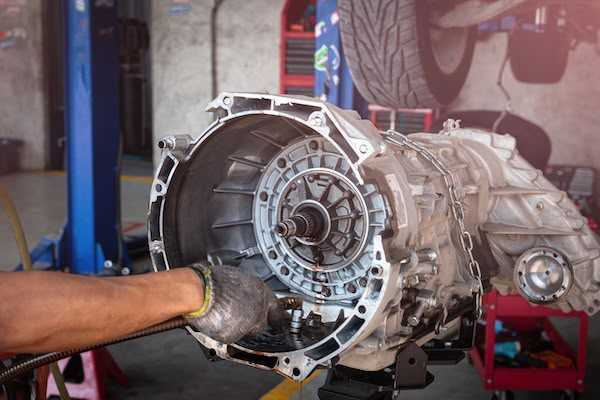
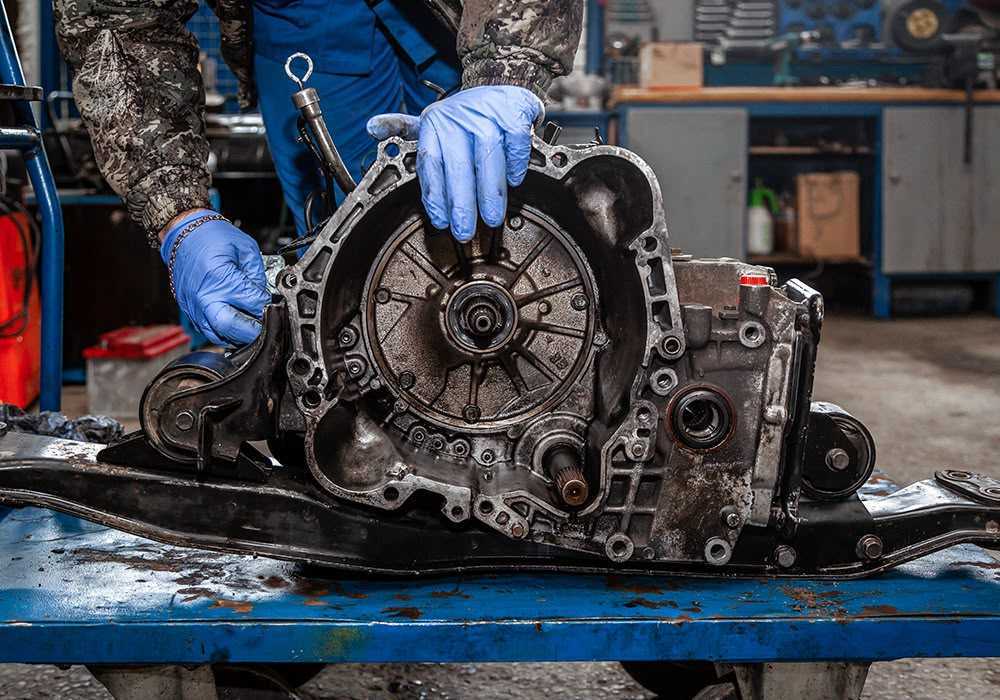
A rebuild generally involves disassembling the transmission and addressing worn or damaged parts according to the repair plan. Replacement involves removing the existing unit and installing another compatible transmission.
Neither option is automatically right for every vehicle. The decision depends on the damage, parts availability, labor, vehicle condition, and total estimated cost.
Transmission problems can have several possible causes. A diagnostic inspection helps evaluate vehicle symptoms, transmission operation, fluid condition, and available diagnostic information.
Testing may help identify concerns involving electronic controls, hydraulic systems, mechanical components, or related drivetrain parts. Additional inspection may be necessary before recommending a specific transmission repair.
A clear diagnosis helps identify the likely cause and supports informed decisions about transmission maintenance, component repair, rebuilding, or replacement.
Transmission problems can develop gradually or appear suddenly. Delayed shifting, slipping gears, unusual noises, or fluid leaks may indicate a concern that needs inspection.
Identifying these warning signs early can help you understand the problem and explore appropriate transmission repair options.
Hesitation, hard shifting, or delayed gear changes may indicate a transmission problem that requires professional inspection.
Unexpected gear changes or a loss of power may signal a transmission concern. Diagnostic testing can help identify the possible cause.
Grinding, whining, or clunking sounds may indicate mechanical or drivetrain concerns that need careful inspection.
Visible fluid leaks, burning smells, or dashboard warnings may indicate a transmission issue requiring timely service.
Modern transmissions often use electronic controls to manage shifting and operating pressure. Diagnosing these systems may require several tools rather than a single scan.
Transmission diagnostic scanners read trouble codes and vehicle data, helping technicians identify possible electronic or control system concerns affecting transmission operation.
Fluid testing tools help assess transmission fluid condition and support inspections for contamination, leaks, or other concerns that may affect transmission performance.
Hydraulic pressure testing equipment helps technicians measure transmission system pressure and identify possible concerns involving fluid flow and internal operation.
Electronic testing tools help inspect sensors, wiring, solenoids, and control modules that may affect automatic transmission shifting and overall vehicle operation.
Specialized transmission equipment helps technicians inspect, remove, install, and service transmission components during appropriate maintenance and repair procedures.
Depending on the diagnosis, further tools may support pressure testing, clutch assessment, or internal inspection. The equipment required varies between conventional automatic transmissions, manual transmissions, and continuously variable transmissions.
Transmission problems can be confusing because the symptoms often overlap. A rough shift might involve a control issue, a fluid concern, a worn mount, or internal damage.
You deserve an explanation that connects the symptoms with the recommended repair. Ask what testing supports the diagnosis and whether the technician found any other concerns.
It is also reasonable to ask which repairs affect immediate safety or reliability. If the vehicle needs additional testing, request an explanation of what the next test will establish.
Keep records of transmission service, repairs, and fluid specifications. These details can help future technicians understand the vehicle’s history.
Our goal is to help you make an informed decision. Before scheduling, confirm that the shop can service your vehicle’s transmission type and the specific issue you have noticed.
Choosing a transmission service in Bay Area, CA involves more than comparing prices. Clear diagnostics, careful testing, and understandable recommendations can help drivers make informed decisions about transmission repairs.
A proper diagnosis can help identify the cause of transmission problems before repairs are recommended. Contact our transmission service provider in Bay Area, CA to discuss your vehicle’s symptoms and confirm service availability before scheduling.
The cost depends on the vehicle and the type of repair. Ask for a diagnostic assessment and written estimate before approving work.
It is risky because continued driving may cause additional damage. If the vehicle slips severely, loses drive, or shifts unpredictably, stop safely and arrange assistance.
Possible causes include fluid problems, control faults, worn components, or other drivetrain issues. Testing helps identify the cause.
Some vehicles have a dipstick, while others require a specific checking procedure. Follow the owner’s manual or ask a technician to check it.
Not necessarily. Fluid appearance is only one clue and cannot confirm internal damage on its own.
It depends on the damage, vehicle condition, repair estimate, and available parts. Ask for a comparison of suitable options.
Yes. Some faults may trigger a warning before noticeable symptoms appear. Have the vehicle checked according to the warning and owner’s manual.
A fluid service or external repair may take less time than rebuilding or replacing a transmission. Diagnosis and parts availability also affect timing.
Yes. Continuously variable transmissions may have specific fluid requirements and service procedures. Follow the manufacturer’s recommendations for your model.
Stop safely if the vehicle loses drive, develops severe grinding, leaks significant fluid, or becomes unsafe to control. Arrange towing or professional assistance.
Contact us to discuss your vehicle’s symptoms and confirm service availability. Ask about diagnostic testing, estimated costs, and appointment times before bringing your vehicle in.