Our engine repair service in Bay Area, CA helps drivers understand engine problems and identify the next step. The right repair starts with finding the cause, not simply replacing parts and hoping for the best.
Emergency dispatch
5800 Coliseum Way, Oakland
Mon–Sat 9–9 · Sun 9–6
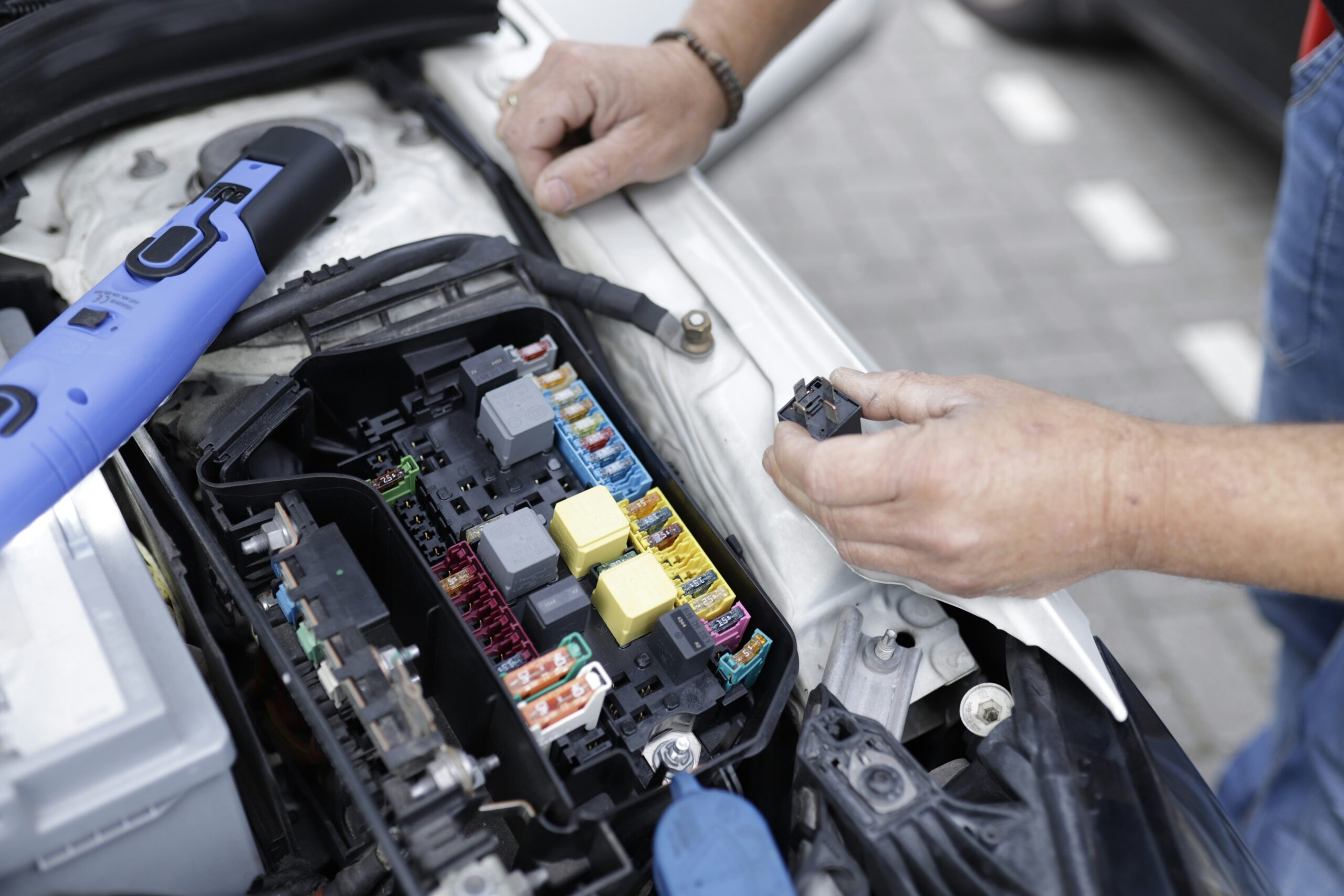
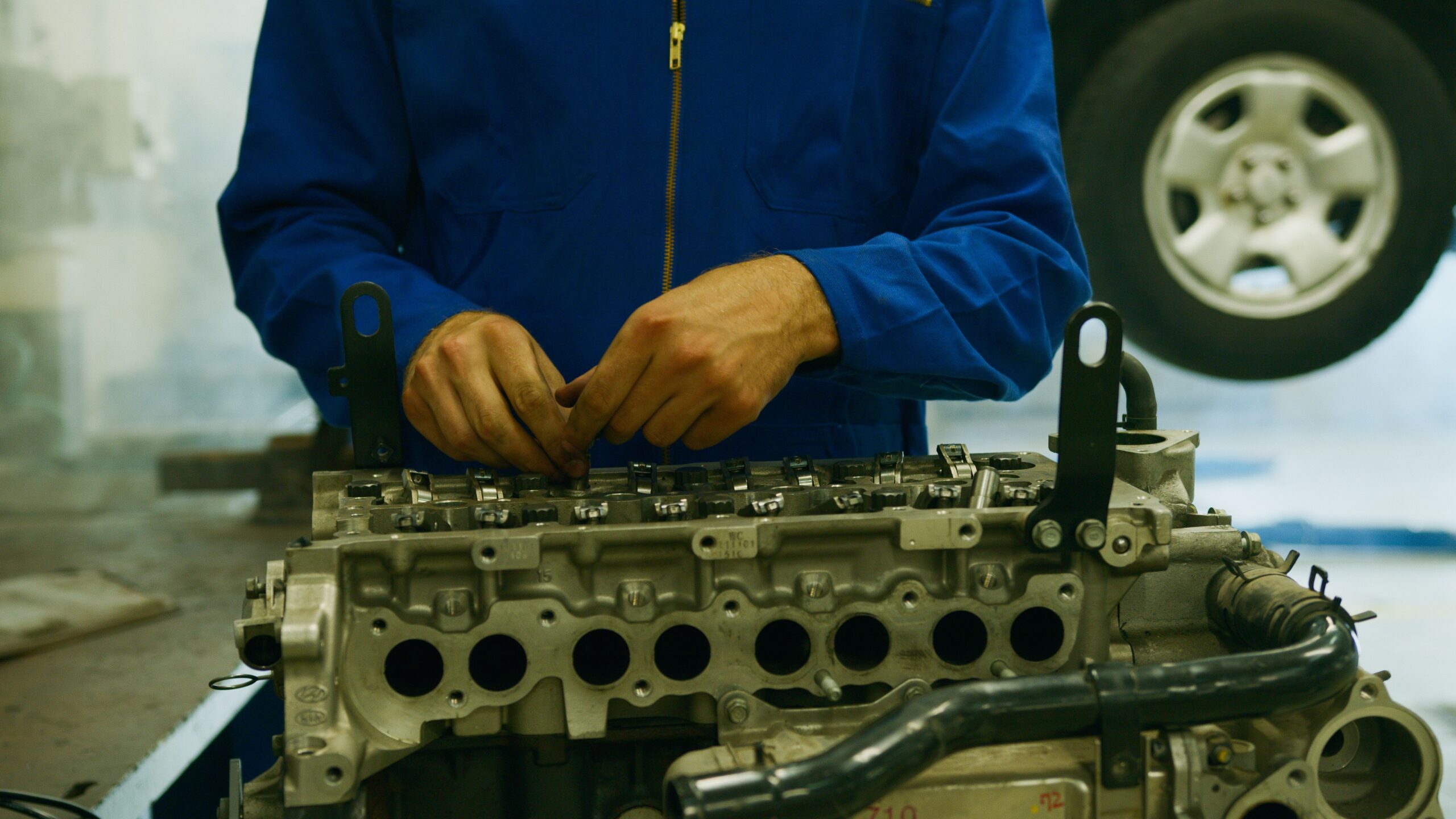
An engine problem can turn an ordinary day into a stressful one. Maybe your car struggles to start before work. Perhaps you hear a knocking sound while driving through Bay Area, CA, or the temperature gauge suddenly climbs.
Even a check engine light can leave you wondering whether the problem is minor or serious.
Here is the thing. Not every engine warning means you need a replacement. Some problems involve ignition components, sensors, fuel delivery, or cooling system faults. Others require more extensive mechanical work.
A proper inspection helps separate these possibilities. It also gives you a clearer idea of the repairs your vehicle needs, the expected cost, and whether you should continue driving.
Your engine relies on several systems working together. Fuel, air, ignition, lubrication, and cooling all play important roles. A fault in one area can affect performance, fuel economy, and reliability.
When you need engine repair in the Bay Area, CA, start by describing what you notice. Tell the technician when the symptoms occur and whether they have become more frequent. Small details can help narrow down the possible causes.
A check engine light can indicate anything from an emissions system fault to an engine performance problem. The warning alone does not identify the failed component.
A diagnostic scan can retrieve trouble codes stored by the vehicle’s computer. The technician may then need additional tests to confirm the cause.
If the light flashes, the engine shakes severely, or the vehicle loses power, reduce the risk of further damage. Pull over safely and arrange professional assistance when necessary.
An engine misfire occurs when one or more cylinders do not produce power as expected. You might notice shaking, rough idling, hesitation, or reduced acceleration.
Possible causes include worn spark plugs, faulty ignition coils, fuel delivery problems, or mechanical faults. Testing helps identify the source before parts are replaced.
Driving with a severe misfire can damage other engine components. Prompt diagnosis is especially important when the check engine light flashes.
An overheating engine needs immediate attention. Possible causes include low coolant, a coolant leak, a faulty thermostat, radiator problems, or a water pump issue.
If the temperature gauge enters the danger zone, stop somewhere safe and switch off the engine. Never remove a hot radiator cap because pressurized coolant can cause serious burns.
Let the engine cool before checking anything. If overheating continues or coolant is leaking, arrange an inspection rather than continuing your journey.
Engine oil lubricates moving parts and helps control friction and heat. A leak can reduce the available oil, while low oil pressure may indicate a serious lubrication problem.
You might notice dark fluid beneath the car, an oil warning light, or an unusual engine noise. The source could involve a gasket, seal, filter, or another component.
An oil pressure warning deserves immediate attention. Stop safely and shut off the engine as soon as possible. Continuing to drive with low oil pressure can cause severe engine damage.
An engine needs the correct mixture of air and fuel, along with reliable ignition where applicable. Problems can cause hard starting, hesitation, stalling, or poor acceleration.
Depending on the findings, a repair may involve spark plugs, ignition coils, fuel injectors, fuel pressure components, or related electrical connections. Not every symptom points to the same part.
A systematic diagnosis helps avoid unnecessary replacements and repeated visits.
Our engine diagnostics and repair process begins with understanding your vehicle’s symptoms and identifying possible causes. Using engine diagnostic testing, car engine inspection, and vehicle diagnostics, technicians can gather information before recommending an appropriate engine repair.
We begin by understanding symptoms such as unusual noises, warning lights, poor performance, overheating, or starting problems to guide the initial inspection.
Technicians use appropriate diagnostic tools and testing methods to review trouble codes, vehicle data, and possible causes before recommending engine repairs.
Further inspection helps determine whether the concern involves ignition, fuel delivery, sensors, cooling components, or internal engine parts.
After diagnosis, the findings and available repair options can be explained, helping you understand the recommended work before approving any engine repair.
Modern engine diagnostics and engine repair in Bay Area, CA, often require specialized tools and technology. The equipment used depends on the vehicle, engine type, symptoms, and findings from inspection and testing.
Engine diagnostic scanners read trouble codes and vehicle data, helping technicians identify possible engine performance issues and determine whether further testing is needed.
Compression testing equipment measures cylinder pressure and can provide useful information about internal engine condition and possible mechanical problems.
Fuel system testing tools help evaluate fuel pressure and delivery. They can support diagnosis of problems involving fuel pumps, injectors, and related engine components.
Engine timing tools help technicians inspect and service timing-related components. Correct engine timing supports coordinated engine operation and overall vehicle performance.
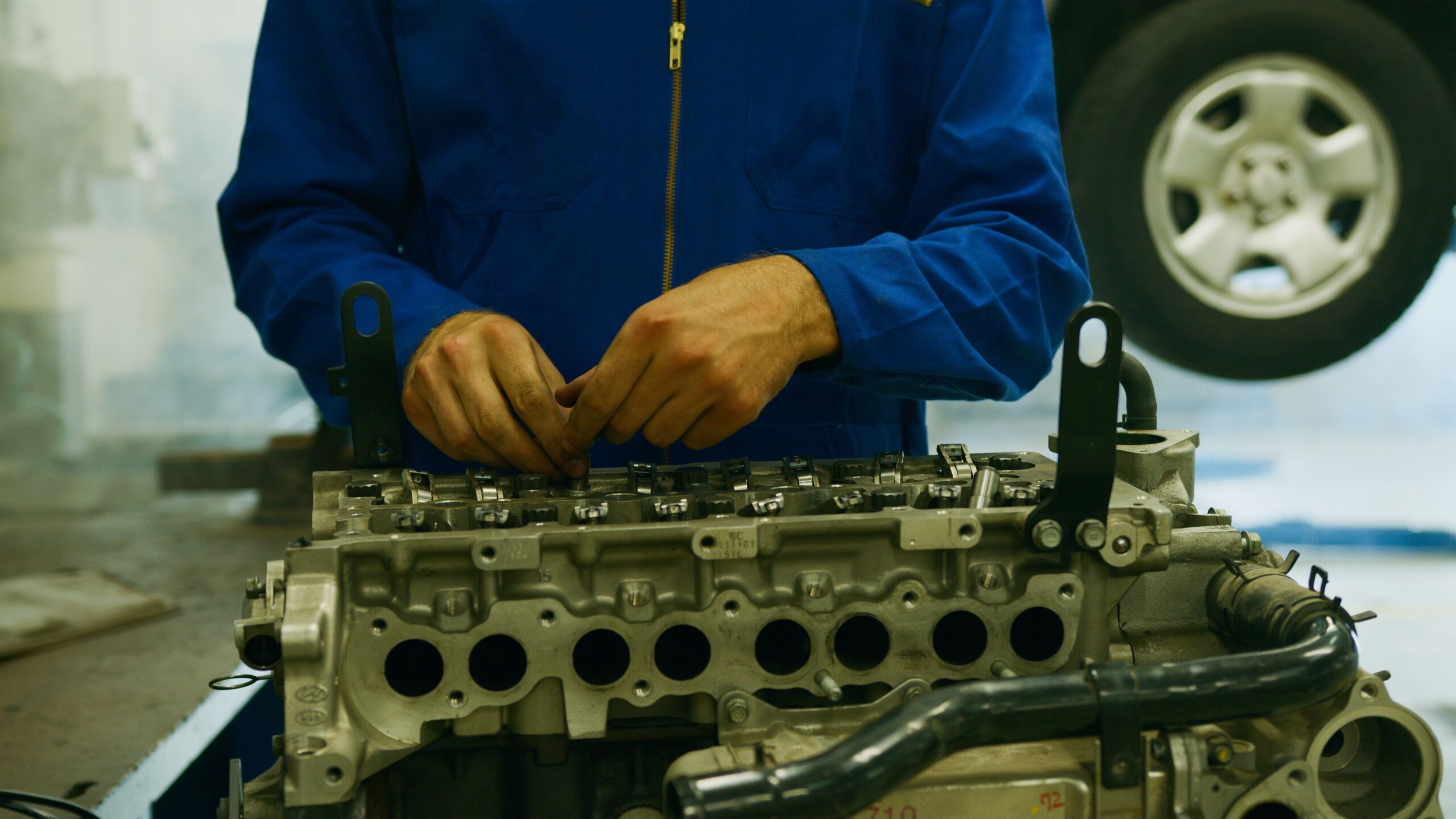
Engine repair equipment includes specialized tools used to inspect, remove, install, and service engine components during appropriate mechanical repairs.
The right diagnostic technology can help identify engine problems and support appropriate repairs. Before scheduling car engine repair in Bay Area, CA, confirm that the shop can service your vehicle and has the required equipment.
Putting off an engine repair may seem convenient, especially when the car still starts and drives. However, continuing to operate a vehicle with certain faults can increase the damage.
A small coolant leak may lead to overheating. A lubrication problem can damage moving engine parts. A misfire may affect the catalytic converter, depending on its cause and severity.
Fuel economy can also decline when an engine does not operate correctly. Unusual exhaust smoke, fluid loss, persistent smells, and changes in performance deserve attention.
Early diagnosis does not guarantee a cheap repair. It can, however, help you understand the issue before it develops further.
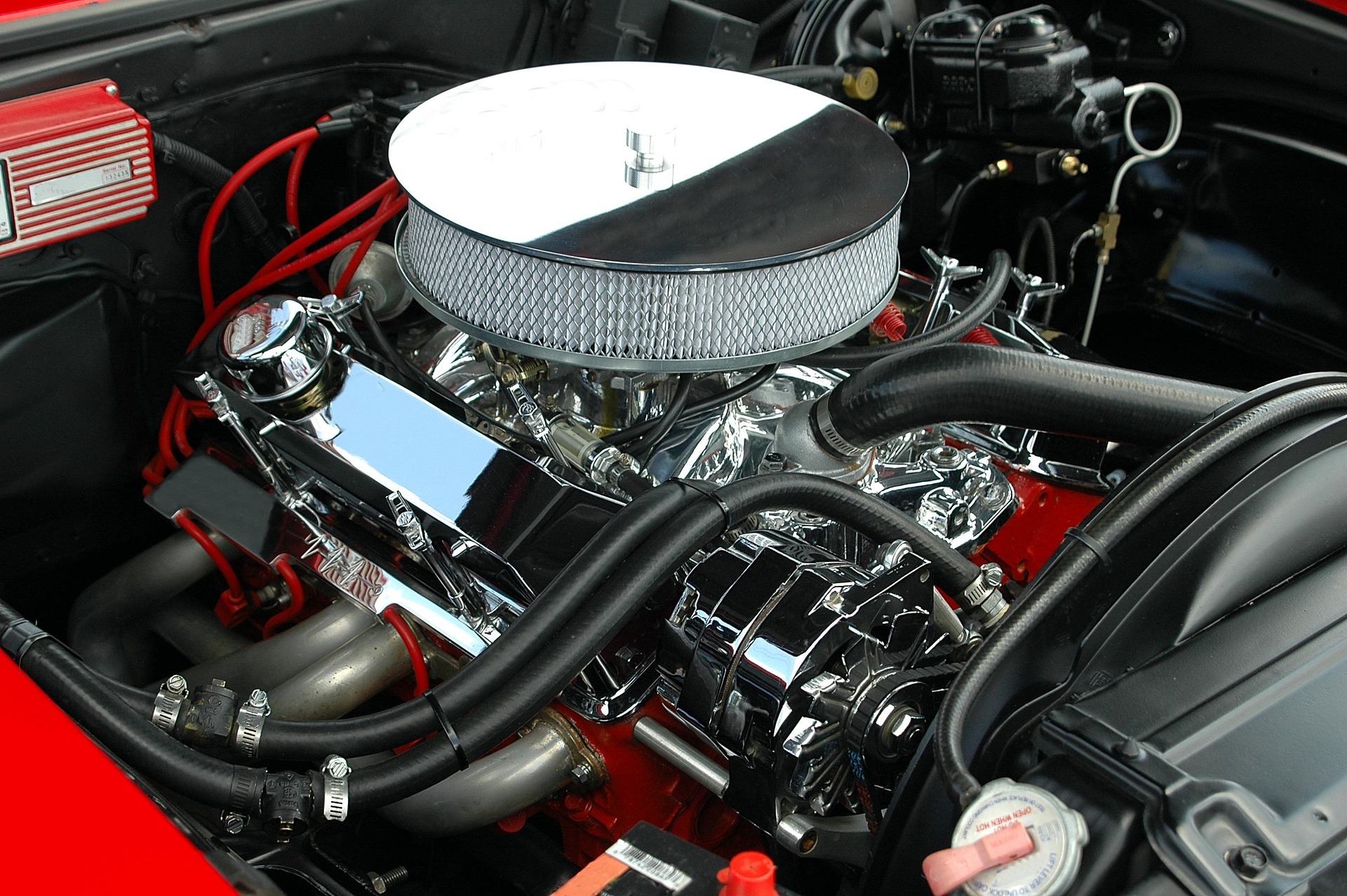
Engine repairs can involve several possible solutions. A sensor replacement may be relatively simple, while internal engine damage can require extensive labor. The actual cost depends on the vehicle, parts, diagnosis, and repair requirements.
If the diagnosis remains uncertain, ask what the next test will establish. That question can help you understand why more time or testing may be necessary.
Keep copies of repair invoices and diagnostic findings. These records can help identify recurring symptoms and provide useful background during future service.
Bay Area, CA drivers travel between residential neighborhoods, local businesses, and major regional routes. Downtown Bay Area, CA, Fruitvale, Temescal, Rockridge, and Jack London Square are established local areas with different travel patterns.
Short journeys may prevent an engine from reaching its normal operating temperature for long periods. Repeated stop and go driving can also affect maintenance needs.
Warm weather can make an existing cooling system fault more noticeable. If your temperature gauge rises, coolant level drops, or the engine repeatedly overheats, arrange an inspection.
Before a longer drive, check for warning lights, unusual noises, visible leaks, and changes in engine performance.
Choosing an engine repair provider involves more than comparing prices.
A careful diagnosis, clear communication, and an appropriate repair plan can help you understand your vehicle’s engine problem and available repair options.
Understanding the cause of an engine problem can help you make informed repair decisions.
Contact our engine repair shop in Bay Area, CA to discuss your vehicle’s symptoms and confirm service availability before scheduling.
It depends on the vehicle and the cause of the problem. Diagnostic testing, parts, and labor all affect the estimate. Ask for a written quote after inspection.
It depends on the warning and vehicle behavior. A flashing light, severe shaking, overheating, or major power loss calls for immediate attention. Stop safely if driving may cause damage or create a safety risk.
Common signs include rough idling, hard starting, unusual noises, fluid leaks, overheating, smoke, and reduced power. A warning light may also indicate a fault.
Possible causes include low coolant, leaks, a faulty thermostat, radiator problems, or water pump failure. Stop driving if the engine overheats and arrange an inspection.
Not always, but you should not ignore it. A diagnostic scan and appropriate follow-up tests can help identify the problem.
Possible causes include misfires, air leaks, fuel system faults, or worn engine mounts. A proper inspection helps distinguish between them.
Yes. Insufficient oil can reduce lubrication and cause serious internal damage. If the oil pressure warning appears, stop safely and shut off the engine.
That depends on the extent of the damage, vehicle condition, parts availability, and total cost. Ask for an assessment of the available options.
Some repairs can be completed relatively quickly, while complex diagnosis or major repairs take longer. Parts availability and the vehicle model also affect timing.
Arrange testing when you notice persistent warning lights, rough running, hard starting, unusual noises, or unexplained fluid loss. Seek immediate assistance for severe symptoms.
Contact us to discuss your vehicle’s condition and confirm whether the required repair is available. Ask about diagnostic testing, appointment availability, and the information needed before your visit.