Our car lockout service in the Bay Area, CA, is designed to help drivers dealing with locked keys, unresponsive key fobs, and other vehicle access problems. Depending on the vehicle and available equipment, assistance may include non-destructive entry methods or guidance on the next step.
Emergency dispatch
5800 Coliseum Way, Oakland
Mon–Sat 9–9 · Sun 9–6
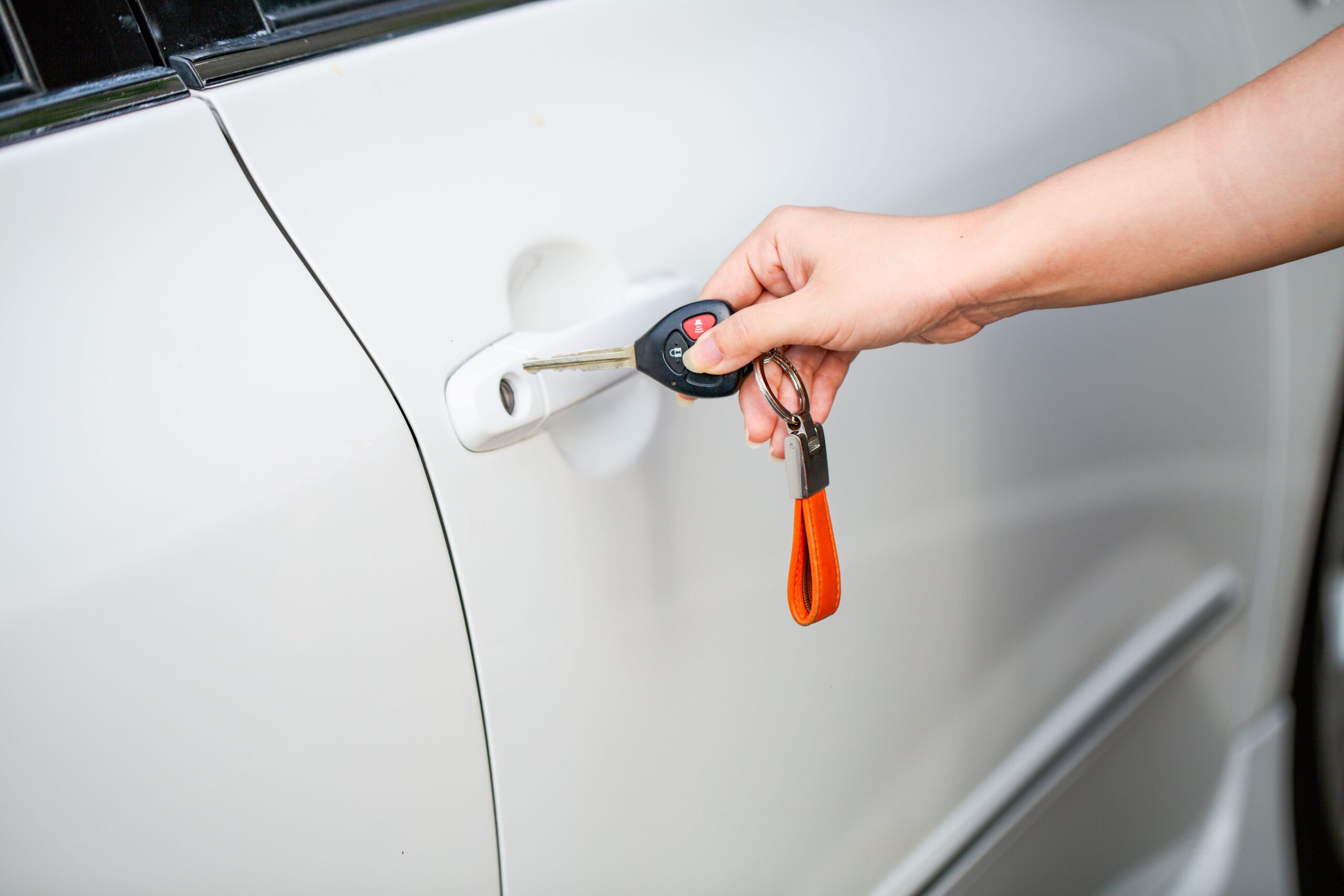
You close your car door, reach for your pocket, and realize your keys are still inside. Or perhaps your key fob stops working just when you need to leave. It happens, and it can turn an ordinary day into a frustrating one.
Getting locked out of your vehicle is especially stressful when you are parked far from home, running late for work, or carrying groceries. You need a practical solution that protects your vehicle and helps you regain access.
The goal is simple. Restore access when possible, avoid unnecessary damage, and help you move forward safely.
Vehicle locks and security systems vary by make, model, and year. A method that works for one vehicle may not work for another.
That is why the right approach starts with understanding your vehicle and the type of lockout you are experiencing.
A car lockout can happen anywhere. You might be outside your home, in a shopping center parking lot, or preparing to leave work.
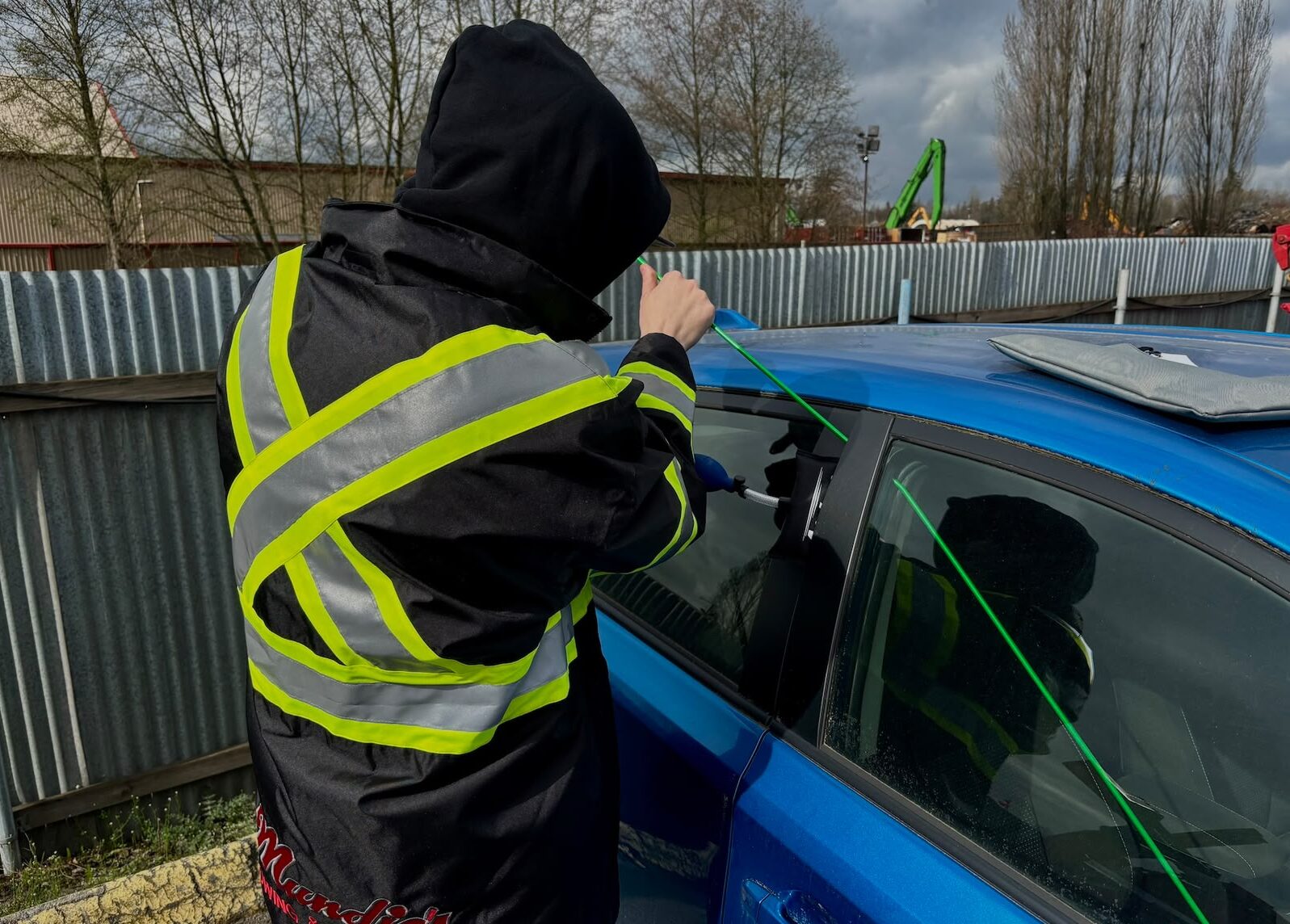
Professional vehicle entry assistance may help you regain access without damaging the door or lock. The appropriate method depends on the vehicle’s locking system and the tools available.
Before requesting assistance, explain where your vehicle is located and whether the keys are inside. Mention any unusual circumstances, such as a damaged lock or a key stuck in the door.
Locking your keys inside the vehicle is one of the most common lockout situations.
Some vehicles offer remote unlocking through a manufacturer app or connected service. If your vehicle supports this feature, it may be worth checking before arranging roadside assistance.
However, app access can depend on account setup, connectivity, and vehicle compatibility. If remote unlocking is unavailable, professional assistance may be the next practical option.
Avoid forcing a door or using improvised tools.
A key fob may stop working because of a weak battery, damaged buttons, interference, or a vehicle-related fault.
If the remote does not respond, check your owner’s manual for the approved backup entry method. Some vehicles provide a physical key inside the fob.
If the vehicle still will not unlock, explain the symptoms when requesting help. A lockout technician may be able to restore entry, while key programming or electrical diagnosis may require a separate service.
Losing your keys creates a different problem from locking them inside the vehicle.
Some providers offer automotive key replacement or programming, but these services are not available from every roadside assistance company.
Tell the provider whether you have a spare key, whether the key broke, and whether the vehicle uses a conventional key or electronic system. They can confirm whether they support your vehicle and what documentation you may need.
A lockout becomes urgent when a child or pet is trapped inside a vehicle, particularly in hot conditions.
If someone inside the vehicle faces immediate danger, call 911. Do not wait for a routine roadside appointment.
Explain the emergency clearly and follow the dispatcher’s instructions. Protecting the occupant comes first.
Modern vehicles often have more complex security systems than older models. Suitable tools help technicians work with these systems while reducing the risk of damage.
Vehicle entry tools support controlled access to compatible vehicles. The correct tool depends on the door design and locking mechanism.
Protective wedges and access equipment may help create limited working space where the vehicle design permits. Incorrect use can damage door seals, trim, or other components.
Key identification equipment helps automotive locksmiths accurately determine compatible key options for supported vehicles, improving efficiency and helping ensure the right replacement key is selected.
Key programming tools may be needed for certain replacement keys or electronic systems. Compatibility varies by vehicle manufacturer and model.
Not every lockout requires key programming. If the keys are simply locked inside, the immediate task may only involve restoring entry.
A technician should explain what the job requires before starting. Appropriate tools and a vehicle-specific approach matter more than rushing the process.
Bay Area has a mix of residential streets, commercial districts, parking facilities, and major transportation corridors. A breakdown can happen almost anywhere.
Drivers may need help with a dead battery in a parking lot, a flat tire outside their workplace, or a starting problem during a daily commute.
Commercial drivers face additional scheduling pressure. When a work vehicle stops running, appointments and deliveries may need to change.
Roadside assistance can help assess whether the vehicle can be repaired at its current location. For business fleets, keeping vehicle details and maintenance records available can make it easier to explain recurring problems.
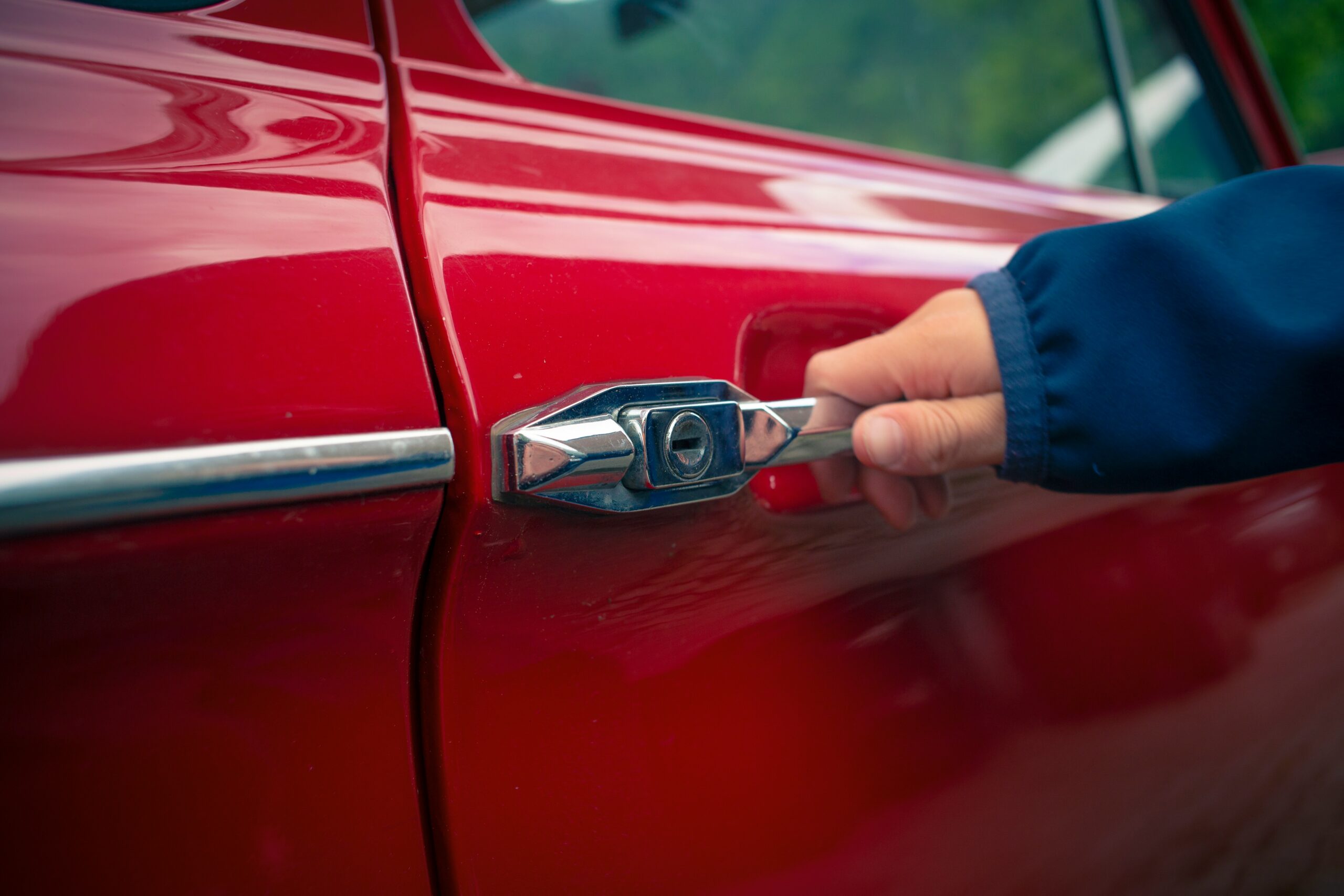
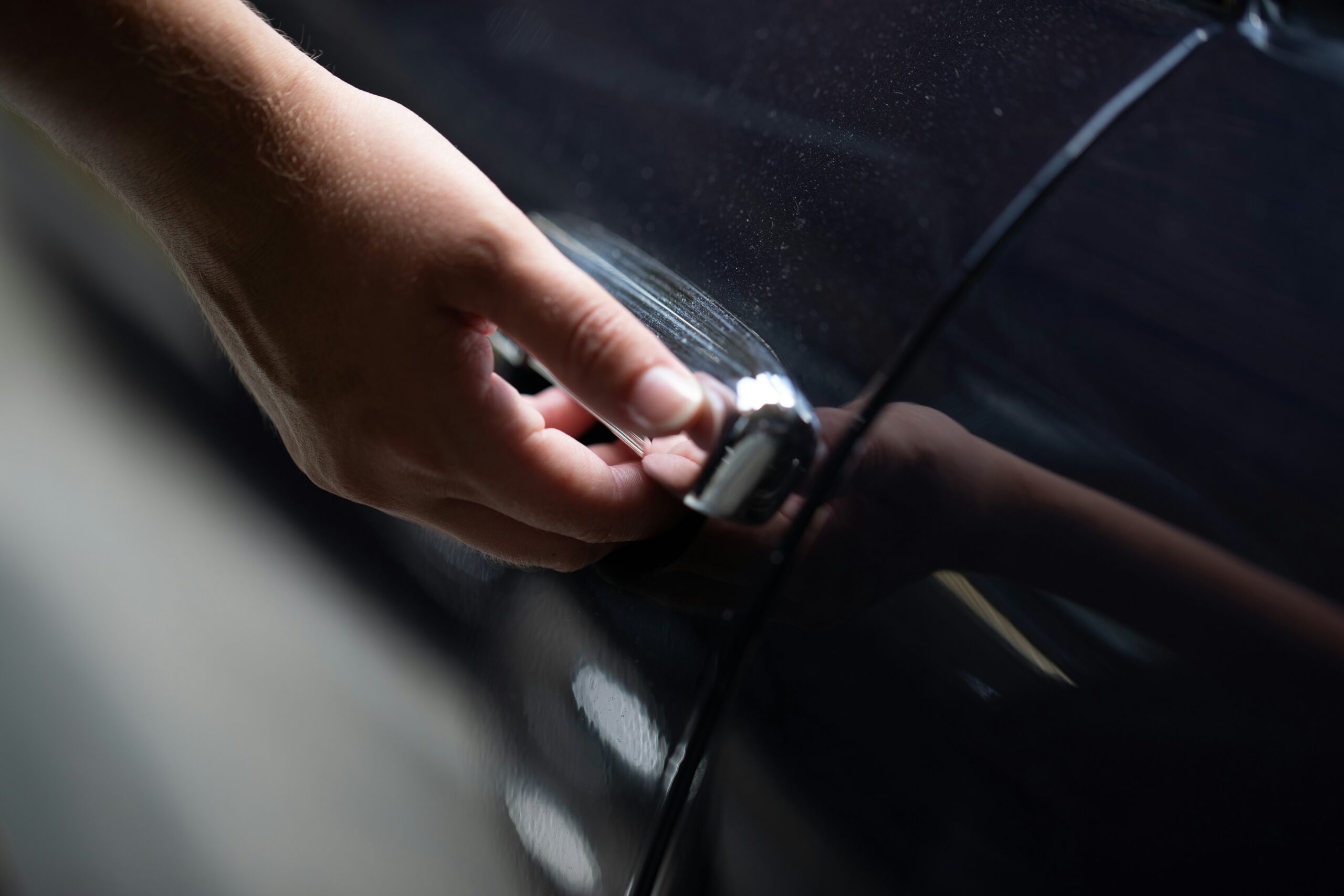
When you are locked out, you need clear information and careful handling of your vehicle.
A suitable provider should explain the available entry options, confirm pricing, and identify any limitations before starting work.
Not every provider supports every vehicle. Certain electronic keys, damaged locks, and advanced security systems may require additional equipment.
Clear communication helps you understand what can be done and avoid unexpected charges.
Roadside assistance may include jump starts, flat tire changes, battery support, lockout help, fuel delivery, and certain minor repairs. Available services vary by provider.
Some faults can be diagnosed or repaired at the vehicle’s location. More complex problems may require workshop repairs or towing.
The cost depends on the service, vehicle type, distance, time, and required parts. Request a quote before confirming the service.
Arrival times depend on traffic, location, weather, and technician availability. Ask the provider for a current estimated arrival window.
Usually, yes, if the battery is suitable for jump starting and no other safety concern prevents it. Repeated starting problems may require battery or charging system testing.
Stop in a safe location if possible. Avoid driving on the damaged tire and request assistance if you cannot safely install a suitable spare.
It depends on the location, vehicle fault, and safety conditions. A technician may need to decline roadside work in an exposed or restricted area.
Provide your exact location, vehicle make and model, description of the problem, and contact information. Mention warning lights or unusual sounds.
Yes, depending on the cause and the provider’s capabilities. The problem may involve the battery, starter, fuel system, or another component.
Only if the vehicle has been assessed as safe to drive. Follow the technician’s advice and arrange further repairs if the underlying problem remains.
Contact us to confirm service availability, estimated arrival times, and applicable charges. Ask whether the provider supports your vehicle’s locking system before booking.