A vehicle breakdown can happen at the worst possible time. You might be heading to work, returning home, or making an important delivery. Then your engine refuses to start, a tire goes flat, or a warning light appears.
Emergency dispatch
5800 Coliseum Way, Oakland
Mon–Sat 9–9 · Sun 9–6
It is frustrating, especially when you are unfamiliar with the area or blocking your usual route.
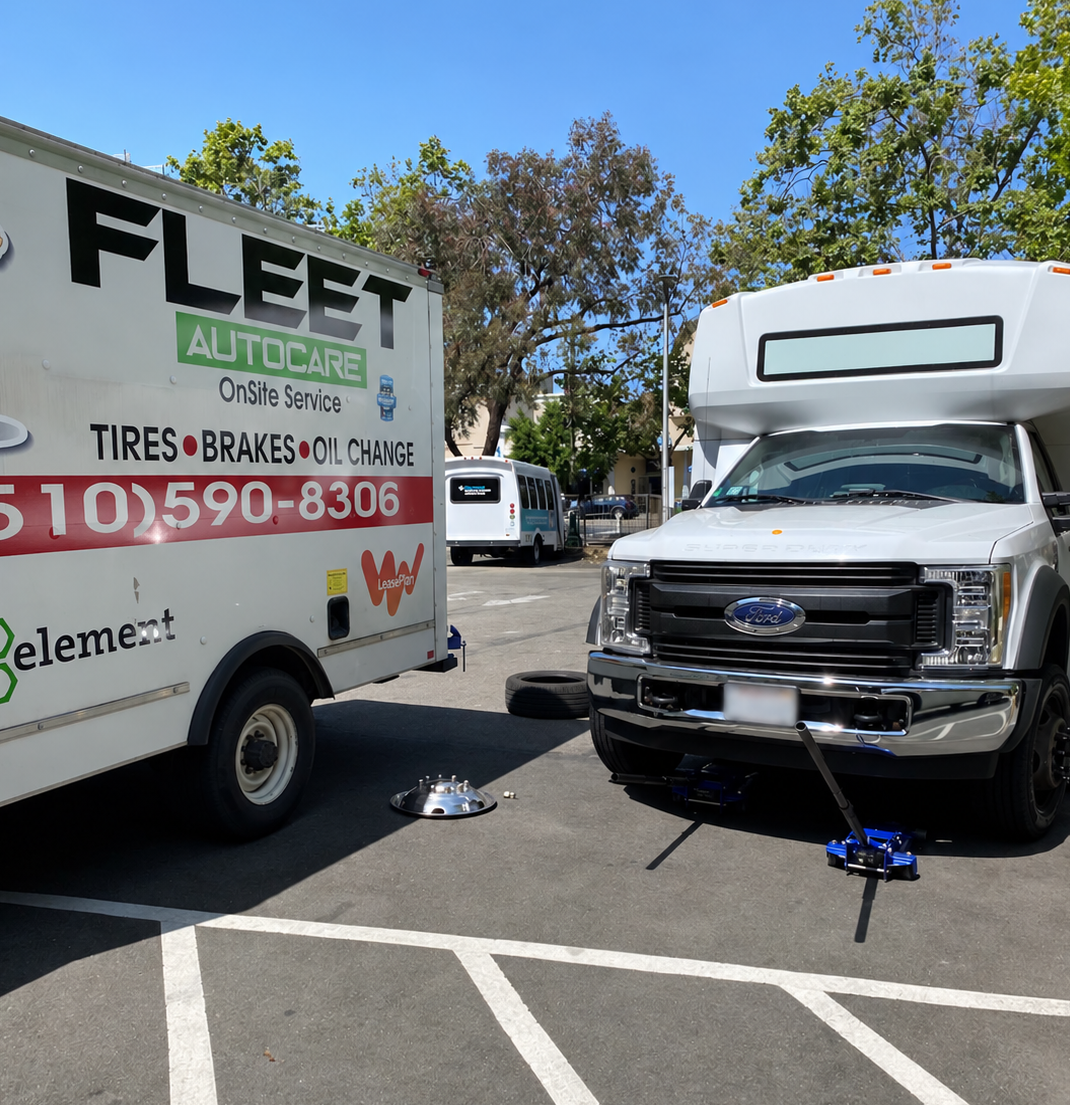
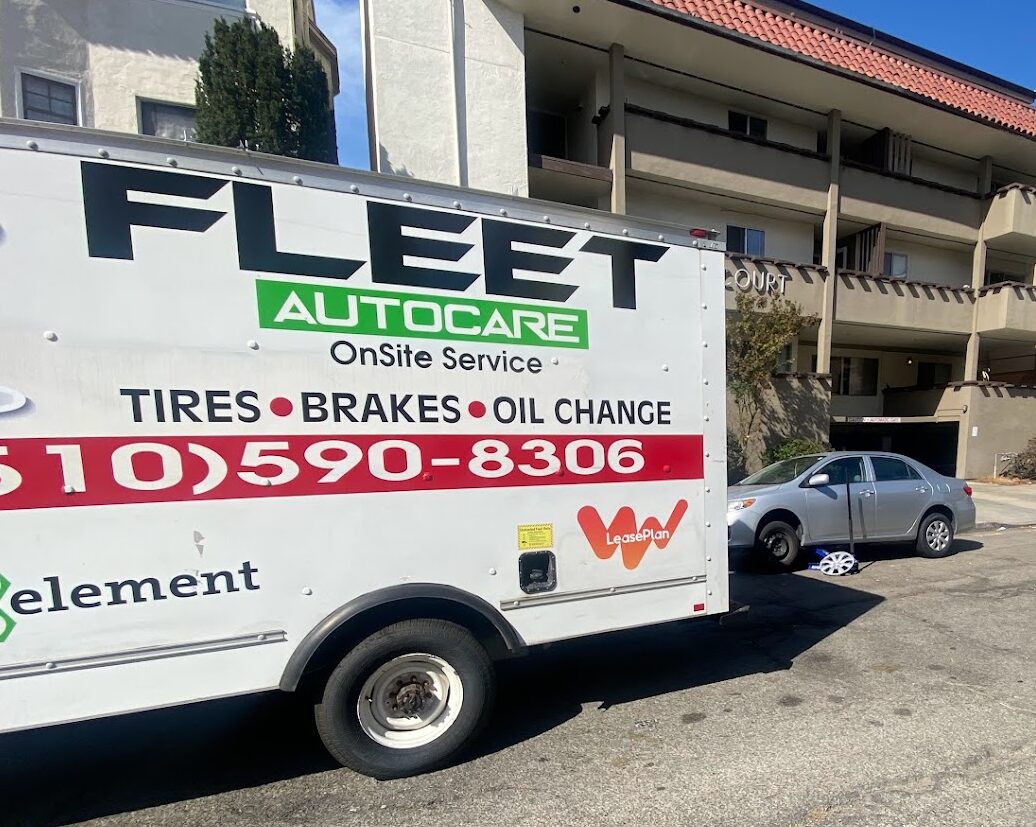
Our roadside assistance and repair service in the Bay Area, CA, is designed to help drivers understand their options when vehicle trouble interrupts their plans. Depending on the problem and available service, assistance may include jump starts, flat tire changes, battery support, basic roadside diagnostics, and minor mechanical repairs.
Sometimes, a simple roadside fix is enough to get you moving again. Other problems require a workshop or towing service.
The important thing is knowing what your vehicle needs and choosing the right solution. If you are stranded in the Bay Area, start by moving to a safe location whenever possible and arranging appropriate roadside help.
Roadside assistance covers common problems that prevent a vehicle from continuing its journey. Roadside repair goes further when a technician can safely diagnose or fix the problem at your location.
The right service depends on your vehicle, its condition, and where it has stopped.
A dead battery can leave your car unable to start. You might hear clicking when turning the key, or the engine may not respond at all.
A jump start can help when a discharged battery is the cause. However, a weak alternator, damaged connections, or a failing starter can produce similar symptoms.
A technician can assess the situation and determine whether a jump start is appropriate. If the vehicle starts, further testing may help identify why the battery lost power.
A flat tire can interrupt your trip without warning. Road debris, punctures, and tire damage can all contribute to the problem.
Roadside assistance may include removing the damaged wheel and installing a usable spare tire. Availability depends on your vehicle, spare tire equipment, and the safety of the location.
Do not continue driving on a flat tire. Doing so can damage the wheel and create additional safety risks.
If your vehicle repeatedly struggles to start, the battery may need more than a jump start.
Battery testing can help assess its condition. Depending on the findings, the solution may involve cleaning suitable connections, charging the battery, or replacing it.
A technician may also need to investigate the charging system. This helps avoid replacing a battery when another component is responsible for the problem.
Not every breakdown has an obvious cause. Your engine may crank without starting, or the dashboard may display a warning light.
Mobile diagnostics can help investigate these issues where the vehicle is safely accessible. Compatible diagnostic equipment may retrieve fault codes from supported vehicle systems.
A fault code does not always identify the exact failed component. Additional testing may be necessary before a repair can be recommended.
Some mechanical problems can be addressed at the vehicle’s location. Others require workshop equipment, replacement parts, or a more detailed inspection.
The technician should assess the fault before confirming what can be repaired roadside. If the vehicle is unsafe to drive, arrange suitable towing instead of attempting to continue your journey.
When you need help, you should know what information to provide and what happens next.
Contact the service provider and describe what happened. Explain whether the engine starts, whether the vehicle moves, and whether you noticed warning lights or unusual noises.
Share your vehicle’s make, model, and location.
The provider reviews your situation and determines whether the requested assistance is available. Ask about the estimated arrival window, service charges, and any travel limitations before confirming.
Once the technician arrives, they assess the problem and determine whether a roadside solution is appropriate.
Some faults are straightforward. Others require further diagnosis.
The technician explains the findings and the proposed work. You can then decide whether to authorize the repair or arrange towing if needed.
The right tools help technicians investigate problems and perform appropriate roadside work. Equipment requirements vary by vehicle and service type.
Battery testing equipment helps assess battery condition and investigate starting problems. It can also support further checks when a charging system fault is suspected.
Jump start equipment provides temporary electrical power to help start a vehicle with a discharged battery. Technicians must use compatible equipment and follow the vehicle manufacturer’s procedures.
Diagnostic scanners retrieve available fault codes from supported electronic systems. These readings help guide further investigation but do not replace proper testing.
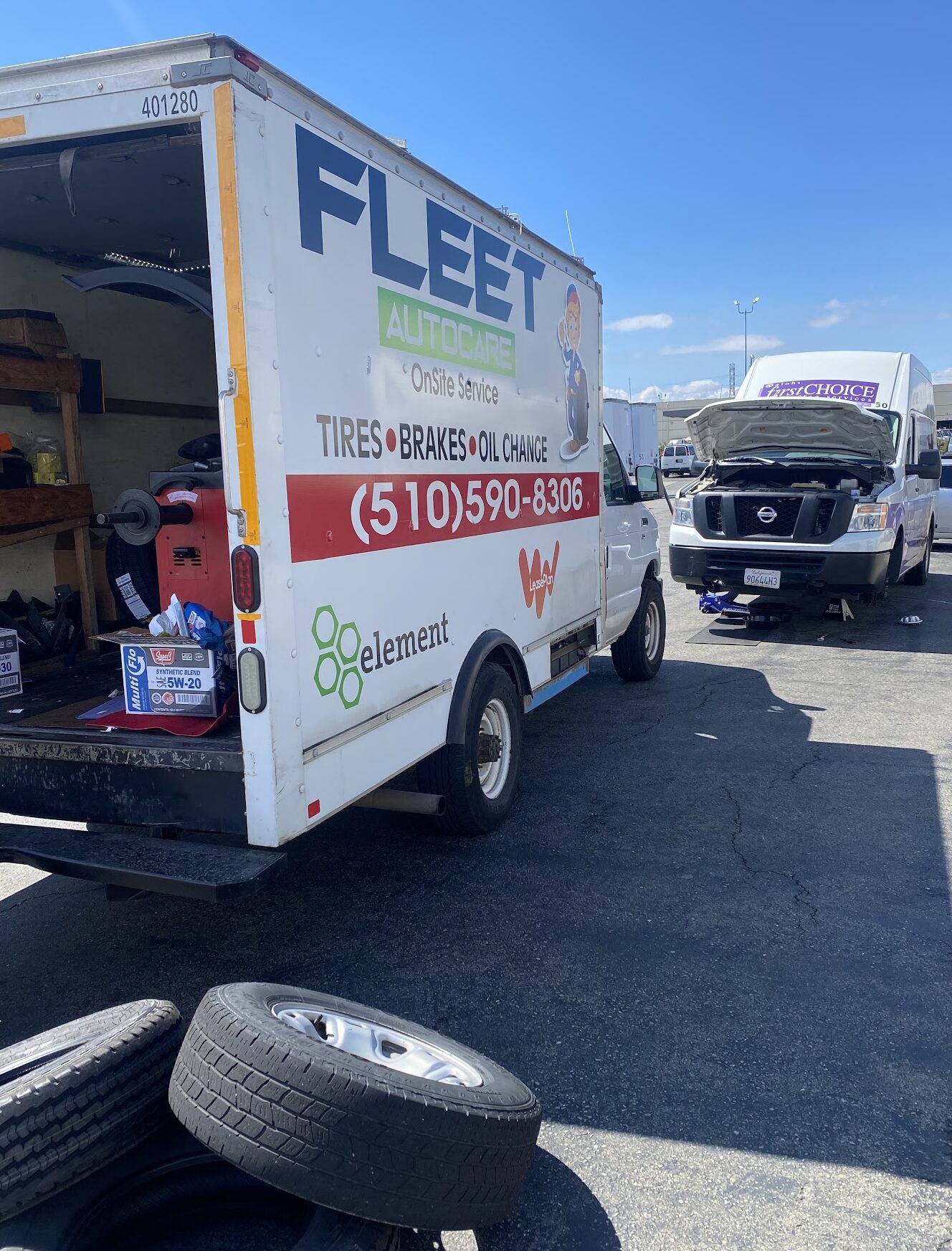
Tire changing tools allow a technician to remove a wheel and install a suitable spare when conditions permit. The vehicle must have a safe lifting position and appropriate equipment.
Basic mechanical tools support suitable minor repairs and inspections. More complex jobs may require a workshop, specialist equipment, or additional parts.
The goal is not to attempt every repair on the roadside. It is to identify the problem and choose a safe, practical solution.
Ignoring vehicle problems can turn a manageable issue into a larger repair.
For example, continuing to drive with a severely damaged tire can damage the wheel and affect vehicle control. Repeatedly attempting to start an engine with an underlying electrical fault may also complicate diagnosis.
Overheating, serious brake problems, smoke, and certain dashboard warnings deserve immediate attention. Follow your owner’s manual and stop driving when continuing could be unsafe.
Bay Area drivers may also encounter congestion on Interstate 880, Interstate 580, and other busy routes. A disabled vehicle in an exposed location creates additional risks.
If you break down on a freeway, prioritize personal safety. Use hazard lights when appropriate and move away from traffic only when you can do so safely. Call 911 if there is immediate danger or a traffic emergency.
Prompt assistance can help you make informed decisions and reduce avoidable damage. However, the appropriate response depends on the vehicle’s condition and the circumstances of the breakdown.
Bay Area has a mix of residential streets, commercial districts, parking facilities, and major transportation corridors. A breakdown can happen almost anywhere.
Drivers may need help with a dead battery in a parking lot, a flat tire outside their workplace, or a starting problem during a daily commute.
Commercial drivers face additional scheduling pressure. When a work vehicle stops running, appointments and deliveries may need to change.
Roadside assistance can help assess whether the vehicle can be repaired at its current location. For business fleets, keeping vehicle details and maintenance records available can make it easier to explain recurring problems.
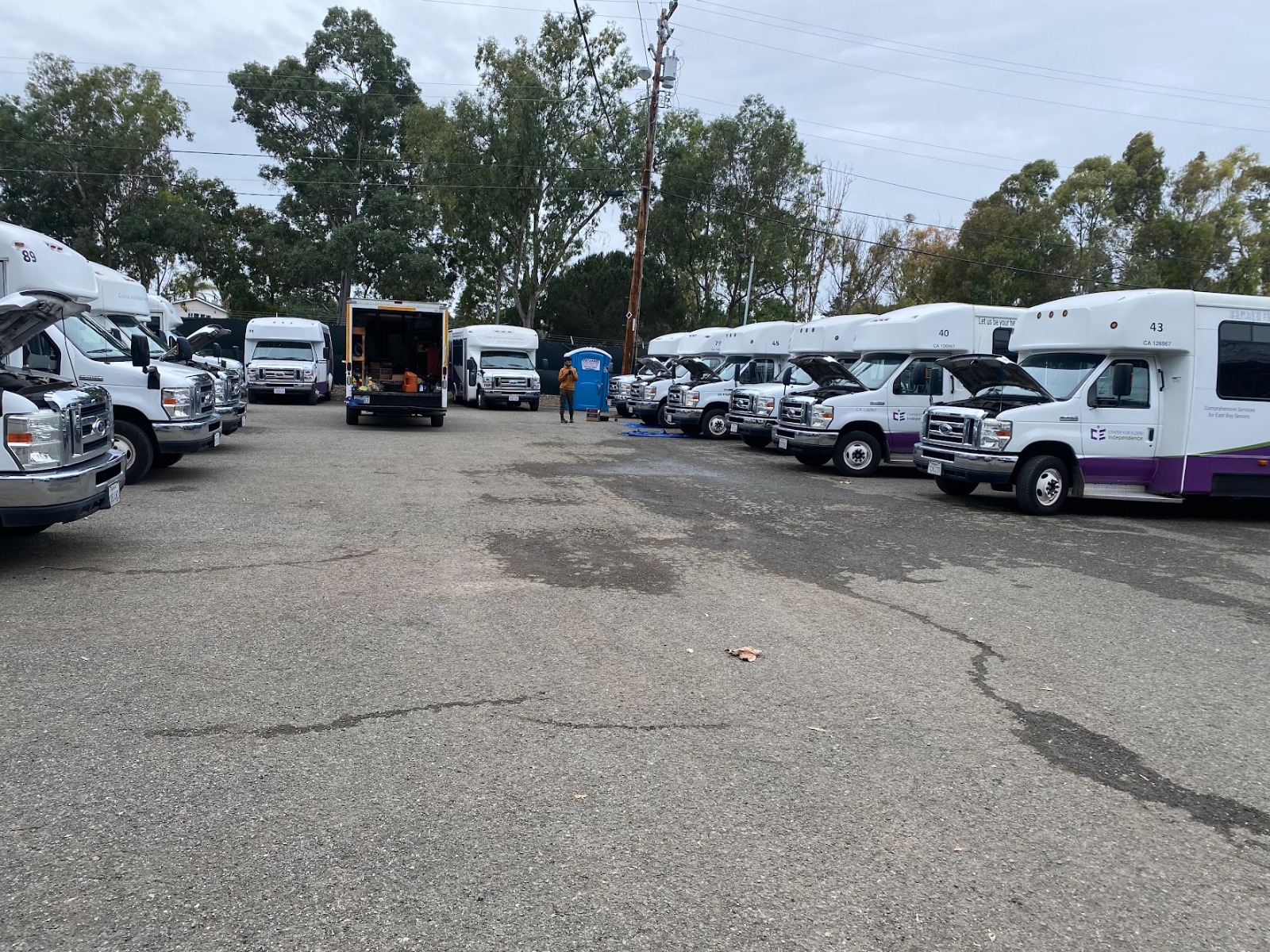
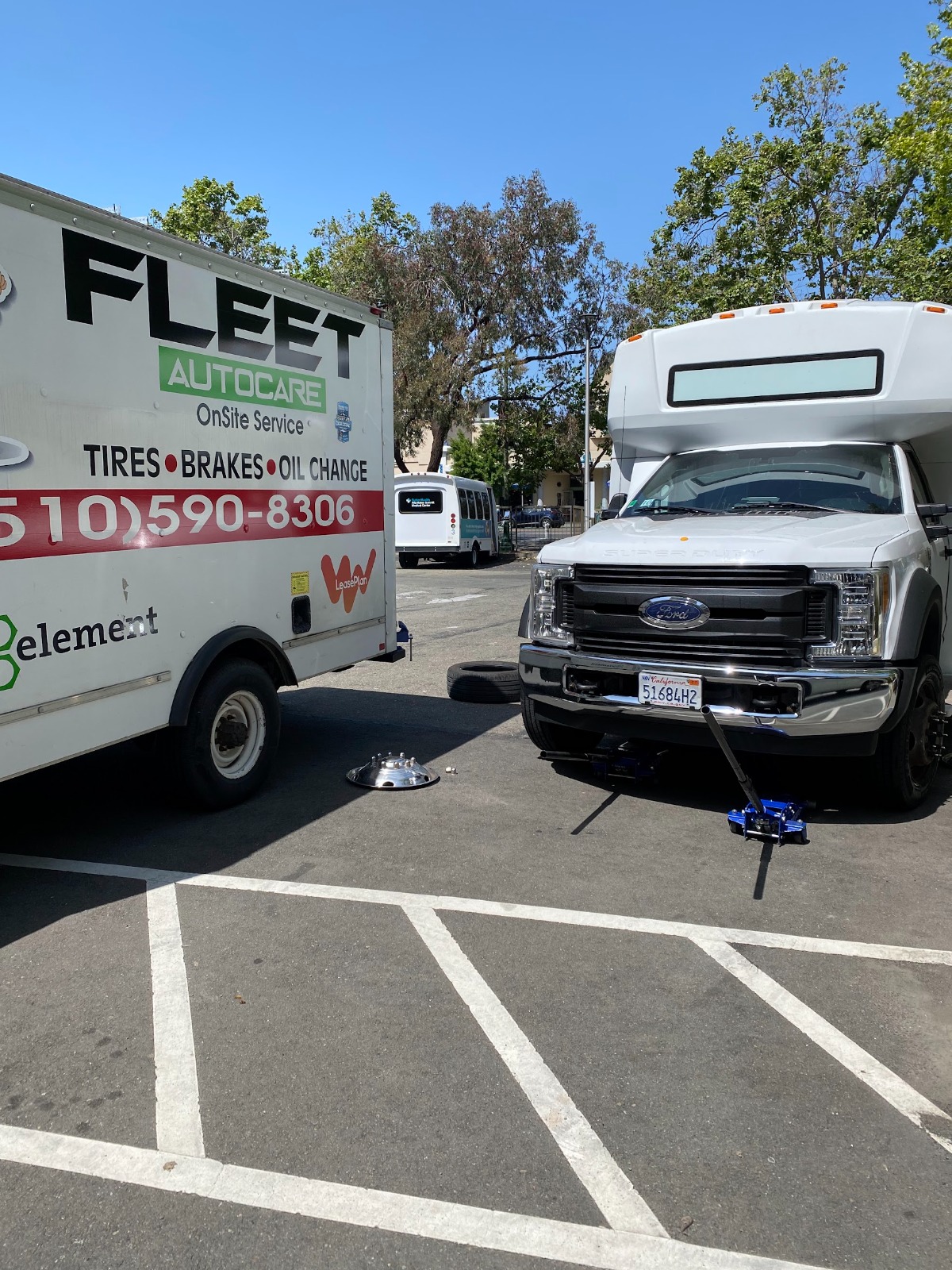
When your vehicle stops unexpectedly, clear communication matters as much as technical support.
Choose a provider who explains available services, confirms pricing before work begins, and tells you when a roadside repair is not suitable.
A dependable service process should include:
No roadside provider can guarantee that every breakdown will be fixed on the spot. Some vehicles need specialist diagnostics or replacement parts that are not available during a roadside visit.
What matters is receiving an appropriate assessment and a clear explanation of your options.
Dispatched from 5800 Coliseum Way along the I-880, I-580 and Hwy 13 corridors. Outside the list? Call — we travel.
Coliseum, Downtown, Fruitvale
Island-wide
Marina & Bayfair
Powell St corridor
West & South Berkeley
Industrial & downtown
I-580 corridor
Residential calls
Call and we’ll tell you how fast we can reach you.
Roadside assistance may include jump starts, flat tire changes, battery support, lockout help, fuel delivery, and certain minor repairs. Available services vary by provider.
Some faults can be diagnosed or repaired at the vehicle’s location. More complex problems may require workshop repairs or towing.
The cost depends on the service, vehicle type, distance, time, and required parts. Request a quote before confirming the service.
Arrival times depend on traffic, location, weather, and technician availability. Ask the provider for a current estimated arrival window.
Usually, yes, if the battery is suitable for jump starting and no other safety concern prevents it. Repeated starting problems may require battery or charging system testing.
Stop in a safe location if possible. Avoid driving on the damaged tire and request assistance if you cannot safely install a suitable spare.
It depends on the location, vehicle fault, and safety conditions. A technician may need to decline roadside work in an exposed or restricted area.
Provide your exact location, vehicle make and model, description of the problem, and contact information. Mention warning lights or unusual sounds.
Yes, depending on the cause and the provider’s capabilities. The problem may involve the battery, starter, fuel system, or another component.
Only if the vehicle has been assessed as safe to drive. Follow the technician’s advice and arrange further repairs if the underlying problem remains.
A breakdown can disrupt your day, but you do not have to guess what to do next.
Whether you are dealing with a dead battery, flat tire, starting problem, or unexpected mechanical issue, the first step is getting an appropriate assessment.
Contact us to discuss your vehicle, explain your location, and confirm which roadside services are available